
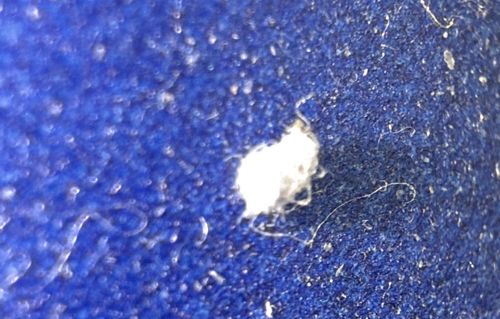
Woolly Aphid
Eriosomatinae (subfamily)
- Order & Family
- Order: Hemiptera, Family: Aphididae
- Size
- Typically 1-3 mm in length, though their waxy coating makes them appear larger.
Natural Habitat
Found on various trees and shrubs, including apple, elm, alder, maple, and beech. They are often seen on branches, twigs, and sometimes roots.
Diet & Feeding
They feed on plant sap by piercing plant tissues with needle-like mouthparts. Specific species often have specific host plants (e.g., Woolly Apple Aphid feeds on apple trees).
Behavior Patterns
These aphids secrete sticky, white, waxy strands that cover their bodies, giving them the appearance of cotton or wool. This wax serves as protection from predators and weather. They often congregate in large colonies.
Risks & Benefits
Risks: Can cause significant damage to host plants, forming galls or cankers on wood, causing leaf curl, and producing honeydew which leads to sooty mold. Generally harmless to humans but can be a nuisance. Benefits: Food source for predatory insects like lacewings, ladybugs, and parasitic wasps.