Human Itch Mite
Scientific Name: Sarcoptes scabiei var. hominis
Order & Family: Order: Sarcoptiformes, Family: Sarcoptidae
Size: 0.3 to 0.45 mm for females; males are roughly half that size
Natural Habitat
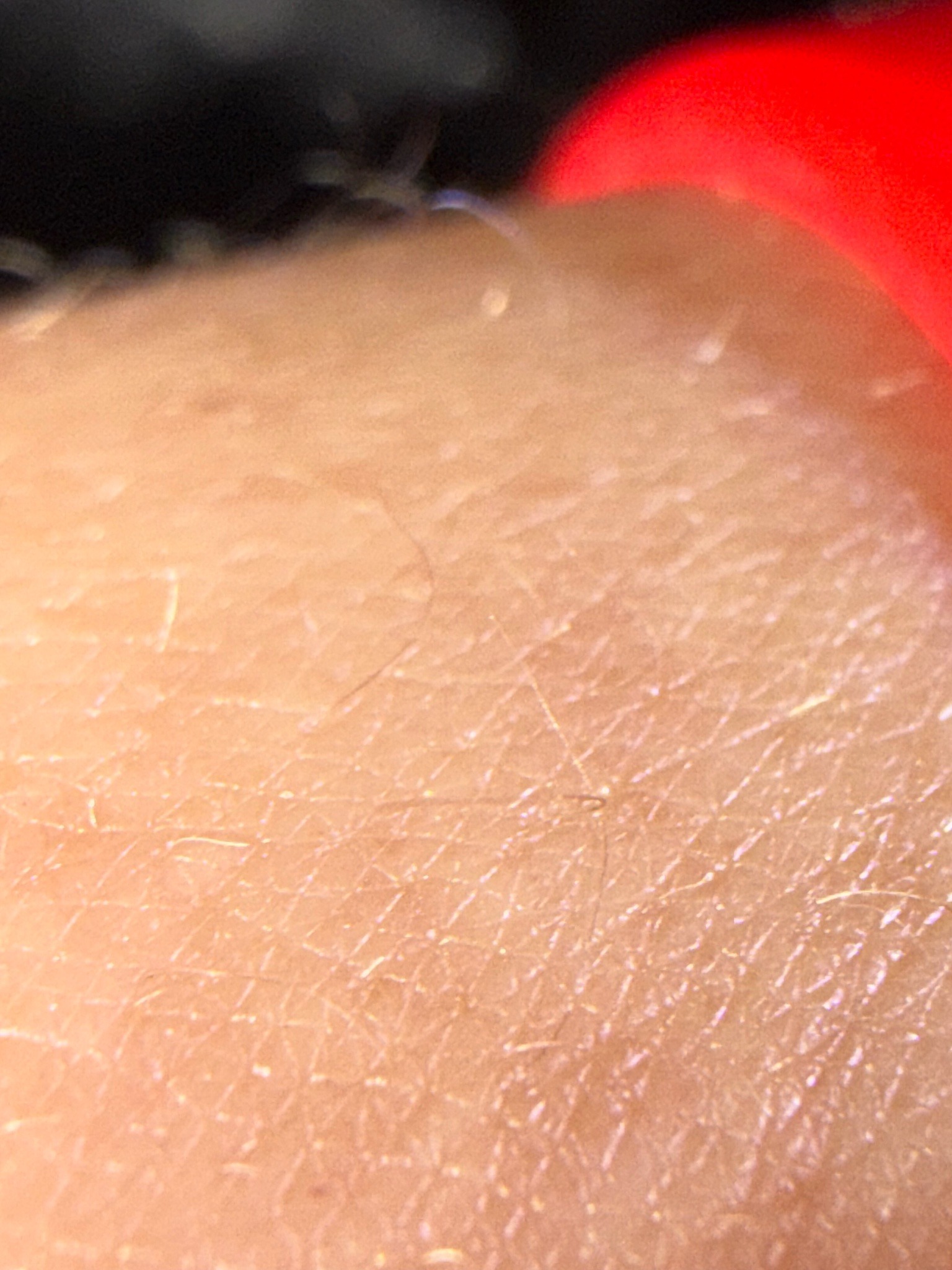
Human skin, specifically the stratum corneum layer of the epidermis
Diet & Feeding
Digested skin cells and extracellular fluid
Behavior Patterns
The female mite burrows into the skin to lay eggs, creating serpentine tracks. They are most active at night, which often coincides with increased itching for the host
Risks & Benefits
Causes Scabies, a contagious skin infestation characterized by intense itching and rashes. Risks include secondary bacterial infections from scratching. There are no known ecological benefits to humans
Identified on: 6/23/2026