Body Louse
Scientific Name: Pediculus humanus humanus
Order & Family: Order: Psocodea; Family: Pediculidae
Size: 2.3 mm to 3.6 mm
Natural Habitat
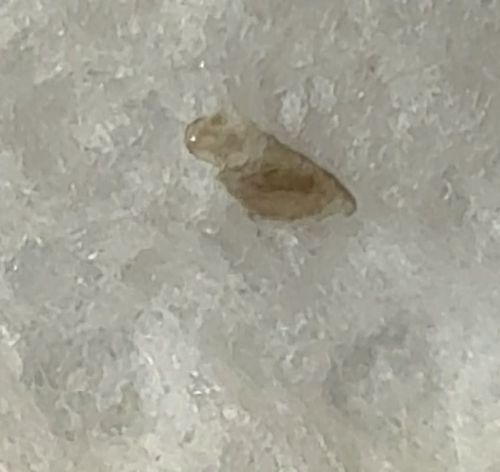
Typically found on human clothing, particularly in the seams and folds, moving to the skin only to feed.
Diet & Feeding
Obligate ectoparasite; feeds exclusively on human blood several times a day.
Behavior Patterns
They lay their eggs (nits) in the seams of clothing and move back and forth between the host's body and garments. They are wingless and spread through direct contact with an infested person or their belongings.
Risks & Benefits
High risk to human health as they are vectors for serious diseases such as epidemic typhus, trench fever, and louse-borne relapsing fever. They cause intense itching and skin irritation. No ecological benefits.
Identified on: 3/12/2026