Louse egg (Nit)
Scientific Name: Pediculus humanus capitis
Order & Family: Order: Psocodea; Family: Pediculidae
Size: Approximately 0.8 mm in length; about the size of a knot in a thread.
Natural Habitat
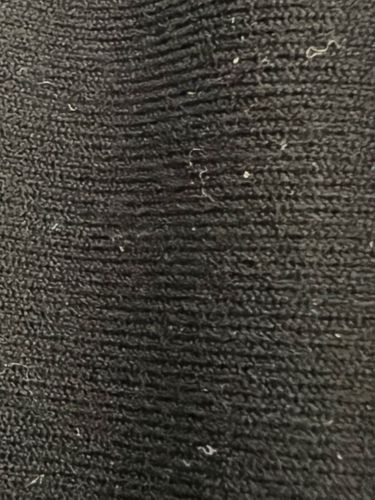
Typically found attached to human hair shafts, usually near the scalp, or on the fibers of clothing/fabrics in contact with the body.
Diet & Feeding
While the egg does not eat, the hatched nymph and adult louse feed exclusively on human blood.
Behavior Patterns
Eggs are laid by female lice and glued to fibers or hair with a specialized cement. They hatch in about 7 to 10 days. They are stationary until hatching.
Risks & Benefits
Risks include intense itching, scalp irritation, and potential secondary bacterial infections from scratching. They are considered a nuisance parasite and have no known ecological benefits to humans.
Identified on: 1/30/2026