Booklouse (or Psocid)
Scientific Name: Liposcelis spp. (Common genus visible in households)
Order & Family: Order: Psocodea (formerly Psocoptera), Family: Liposcelididae
Size: Very small, typically 1 to 2 mm in length.
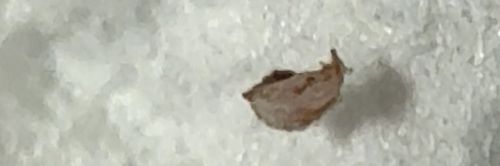
Natural Habitat
Typically found in areas with high humidity or dampness. They frequent libraries, stored grains (like rice or flour), wallpaper paste, and moldy areas. They are common indoors.
Diet & Feeding
They feed on mold, fungi, starches, glue (such as book bindings), grain products, and organic detritus.
Behavior Patterns
They are wingless (often) and move in a quick, jerky manner rather than walking smoothly. They prefer dark, undisturbed, and humid environments where mold can grow. They do not bite.
Risks & Benefits
Risks: They are nuisance pests that can contaminate stored food products and damage books or wallpaper by eating the glue. Benefits: They serve as biological indicators of excessive moisture or mold issues in a home.
Identified on: 3/1/2026