
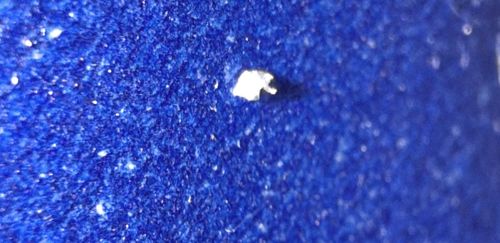
Mold Mite (also known as Cheese Mite or Grain Mite)
Tyrophagus putrescentiae
- Order & Family
- Order: Sarcoptiformes, Family: Acaridae
- Size
- Extremely small, usually 0.3 mm to 0.4 mm in length (often visible only as moving specks of dust to the naked eye).
Natural Habitat
Warm, humid environments; commonly found in stored food products (grains, cheese, dried fruit), damp wallpaper, and fabrics affected by mold growth.
Diet & Feeding
Primarily feeds on mold (fungi), yeast, organic detritus, grains, cheese, and other stored food products.
Behavior Patterns
They do not bite but reproduce rapidly in high humidity (above 60% relative humidity). They are often noticed when they gather in large numbers, appearing like 'living dust' on electronics, furniture, or food packaging.
Risks & Benefits
Risks: Can contaminate stored food and cause mild allergic reactions (rhinitis or dermatitis) in sensitive individuals. They do not feed on blood or transmit diseases to humans. Benefit: Decomposers of organic matter in the wild, though considered pests in domestic settings.