
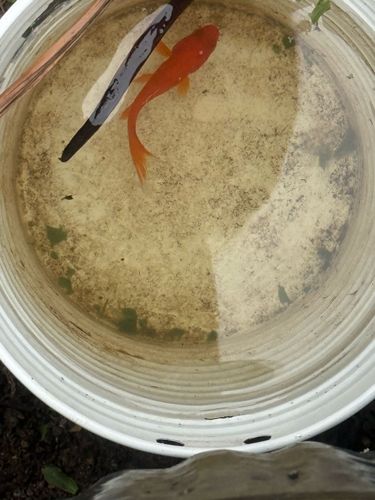
Community identification
Great Diving Beetle (Larva)
Dytiscus marginalis
- Order & Family
- Order: Coleoptera; Family: Dytiscidae
- Size
- Larvae can grow up to 60 mm (2.4 inches) in length.
Natural Habitat
Found in slow-moving or stagnant freshwater environments such as ponds, ditches, and lakes with plenty of vegetation.
Diet & Feeding
Highly predatory; they eat other aquatic insects, tadpoles, and small fish by injecting digestive enzymes into their prey.
Behavior Patterns
Known as "water tigers," these larvae are fierce hunters. They breathe through the tip of their tail at the water surface and pupate in damp soil near the water edge.
Risks & Benefits
They can be a risk to small fish in garden ponds and may deliver a painful bite to humans if handled. Beneficially, they help control populations of other aquatic organisms and serve as a food source for larger animals.