
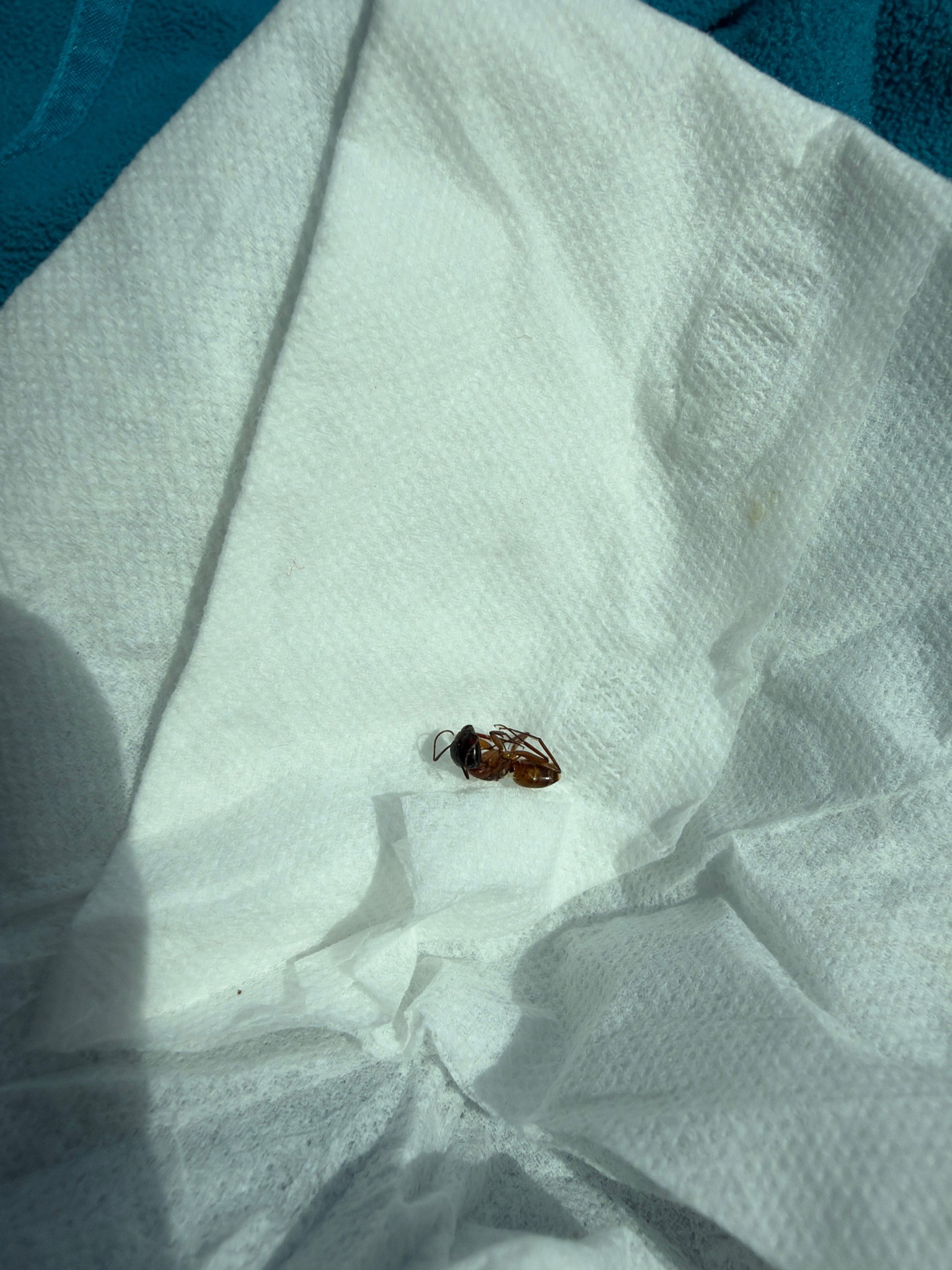
Community identification
Carpenter Ant
Camponotus
- Order & Family
- Hymenoptera: Formicidae
- Size
- Workers range from 6 to 13 mm, while queens can reach up to 25 mm.
Natural Habitat
Found globally, typically nesting in moist or decaying wood such as dead logs, tree stumps, and hollow trees, but also in structural wood in homes.
Diet & Feeding
Omnivorous; they eat protein from other insects and sugar from honeydew produced by aphids. They do not eat wood but excavate it for nesting.
Behavior Patterns
Social insects with a caste system including workers and a queen. Primarily nocturnal, they create elaborate galleries in wood and may establish satellite colonies near their main nest.
Risks & Benefits
Risks include structural damage to homes if nests are built in wooden supports. Benefits include recycling nutrients back into the soil by decaying wood and acting as a food source for predators.