
Community identification
Household Casebearer (Plaster Bagworm)
Phereoeca uterella
- Order & Family
- Lepidoptera: Tineidae
- Size
- Case length: 8-14 mm; Larva length: up to 10 mm
Natural Habitat
Typically found inside residential buildings, particularly in humid environments like bathrooms, kitchens, and garages. They are often seen on walls and ceilings.
Diet & Feeding
Larvae feed on spider webs, wool, human hair, fur, and silk. They may also consume dead insect remains.
Behavior Patterns
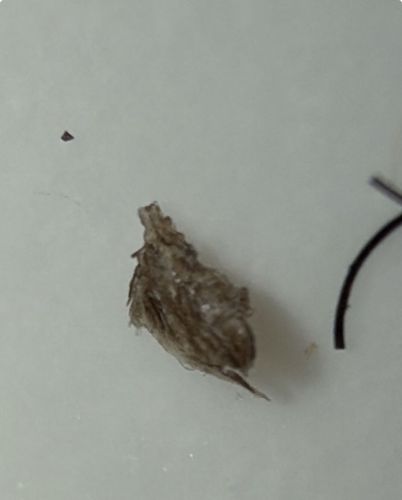
The larva builds a protective, spindle-shaped case from silk, sand, dust, and lint. It can poke its head out from either end to move and feed. At maturity, it attaches the case to a vertical surface to pupate into a small moth.
Risks & Benefits
Generally harmless to humans and pets, but considered a minor household pest. They can cause minor damage to natural fabrics and woolens, but their presence usually suggests high humidity or the presence of cobwebs.