
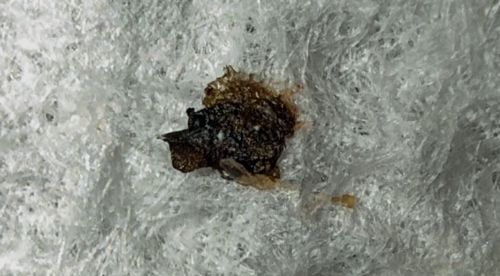
Community identification
Masked Hunter Nymph (Camouflage Bug)
Reduvius personatus
- Order & Family
- Hemiptera (True Bugs), Reduviidae (Assassin Bugs)
- Size
- Nymphs vary based on instar stage (approx. 5mm to 15mm); Adults are usually 17mm to 22mm.
Natural Habitat
Indoors in attics, basements, or dusty corners; outdoors in hollow trees or wood piles. They frequent dry places where prey insects are common.
Diet & Feeding
Carnivorous predator. They feed on other household arthropods including bed bugs, silverfish, woodlice, earwigs, and spiders.
Behavior Patterns
Nymphs exhibit 'camouflaging behavior' by covering their bodies with sticky secretions that catch dust, lint, and debris to blend in with their environment. They entrap prey and pierce them with a sharp rostrum (beak).
Risks & Benefits
Benefits: Effective natural pest control (they eat other pests like bed bugs). Risks: Can deliver a very painful bite if handled or threatened, though they generally avoid humans and do not spread disease.