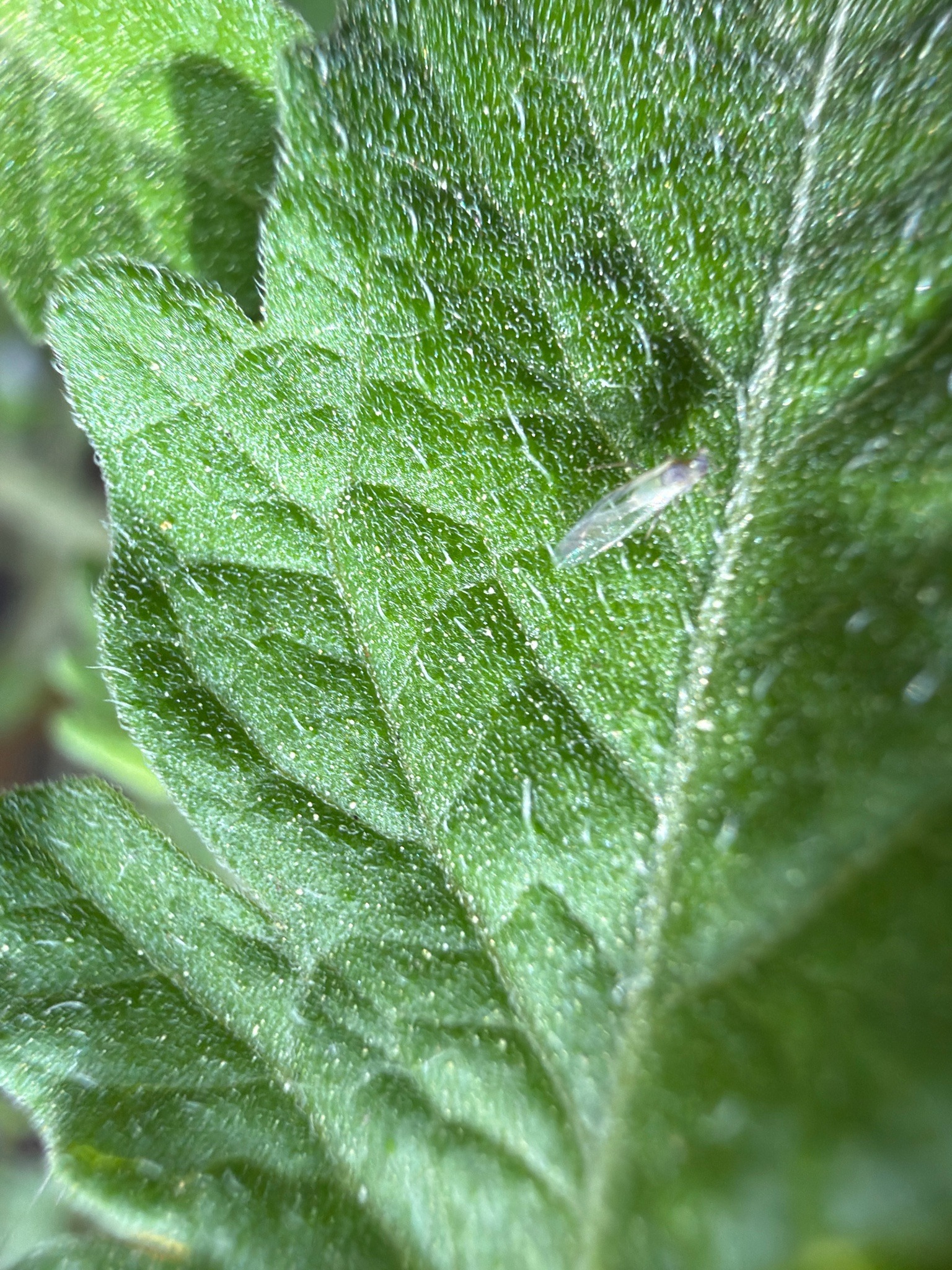
Winged Aphid
Scientific Name: Aphidoidea (Superfamily)
Order & Family: Order: Hemiptera, Family: Aphididae
Size: 1mm to 10mm (typically 2-4mm)
Natural Habitat
Found globally on various plant species, particularly on the undersides of leaves and on soft new growth in gardens and greenhouses.
Diet & Feeding
Herbivorous. They use piercing-sucking mouthparts to feed on plant sap (phloem) from host plant tissues.
Behavior Patterns
Aphids generally reproduce asexually for most of the year. Winged forms (alates) develop when a colony becomes overcrowded or the host plant's quality declines, allowing them to fly and colonize new plants.
Risks & Benefits
Risks: Major agricultural pests that can cause leaf curling, stunted growth, and transmit plant viruses. They excrete honeydew which promotes sooty mold. Benefits: Serve as a primary food source for many beneficial insects like ladybugs and lacewings.
Identified on: 6/5/2026