Jigger, Chigoe Flea, or Sand Flea
Scientific Name: Tunga penetrans
Order & Family: Order: Siphonaptera, Family: Tungidae
Size: Approximately 1 mm in length as a free-living flea; females can expand to roughly 1 cm (the size of a small pea) when embedded in the skin and engorged with eggs.
Natural Habitat
Found in tropical and sub-tropical climates (specifically Central/South America and Sub-Saharan Africa), thriving in warm, dry, sandy soil and dusty environments.
Diet & Feeding
Both males and females feed on the blood of mammals (including humans, pigs, dogs, and cats). Only the female embeds permanently into the skin.
Behavior Patterns
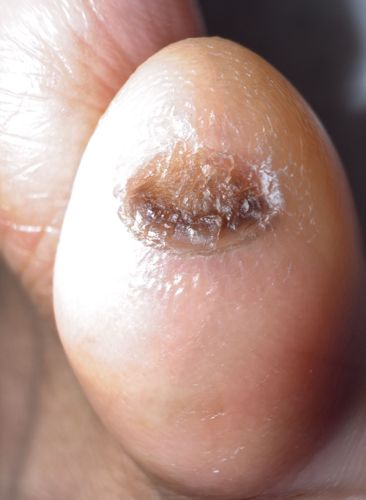
Unlike typical fleas that bite and leave, the fertilized female Tunga penetrans burrows head-first into the host's skin (usually feet). She swells significantly while producing eggs, creating a nodular lesion with a central black dot (her posterior end for breathing/excretion). After expelling eggs, she dies and is sloughed off.
Risks & Benefits
Risks: Causes Tungiasis, a parasitic skin disease characterized by intense itching, pain, inflammation, and potential secondary bacterial infections like gangrene or tetanus. Benefits: No known ecological benefits; considered a significant public health nuisance in endemic regions.
Identified on: 2/17/2026