Mold Mite
Scientific Name: Tyrophagus putrescentiae
Order & Family: Order: Sarcoptiformes; Family: Acaridae
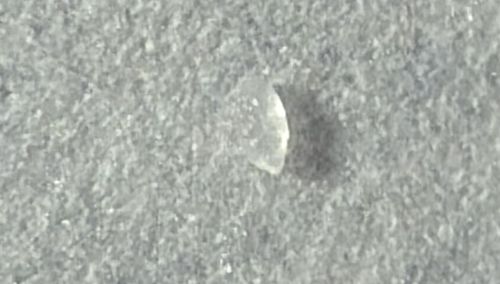
Size: Minute; typically 0.3 mm to 0.7 mm (barely visible to the naked eye as moving dust)
Natural Habitat
Warm, humid environments with high moisture levels (usually above 60-70% humidity); commonly found in pantry foodstuffs, damp furniture, moldy walls, and stored grain products.
Diet & Feeding
Principally feeds on fungi (mold) and yeasts, but also consumes high-protein stored foods like grain, flour, cheese, dried meat, and pet food.
Behavior Patterns
They do not bite humans but move relatively quickly when disturbed. They reproduce rapidly in high-humidity conditions, often appearing as a 'moving dust' layer on surfaces. Their life cycle is short, completing in about 2-3 weeks under optimal conditions.
Risks & Benefits
Risks: Major cause of stored food spoilage; their shed skins and feces are potent allergens that can cause asthma, rhinitis, and dermatitis (Grocer's itch). Benefits: In nature, they help decompose organic matter, but they are generally considered pests in homes.
Identified on: 2/26/2026