
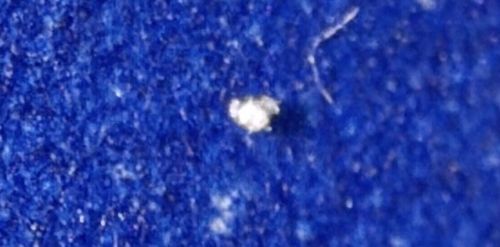
Dust Mite (or possibly a Grain/Mold Mite depending on context)
Dermatophagoides pteronyssinus or Dermatophagoides farinae
- Order & Family
- Order: Sarcoptiformes, Family: Pyroglyphidae
- Size
- Microscopic to barely visible; typically 0.2 to 0.3 millimeters in length
Natural Habitat
Thrives in warm, humid environments inside homes; commonly found in bedding, mattresses, carpets, upholstered furniture, and curtains where dust accumulates.
Diet & Feeding
Primarily feeds on dead human skin cells (dander) found in household dust, but may also consume pet dander, pollen, fungi, and bacteria.
Behavior Patterns
These mites do not bite or burrow under skin; they scavenge for food in fibrous materials. They thrive in humidity levels over 50%. Their lifecycle from egg to adult takes about a month.
Risks & Benefits
Risks: A major source of indoor allergens; their feces and decaying body parts can trigger allergic rhinitis, asthma, and eczema in sensitive individuals. Benefits: They serve a decomposer role by consuming dead skin cells, though this benefit is negligible in a home environment compared to the allergy risks.