Dust Mite
Scientific Name: Dermatophagoides farinae / Dermatophagoides pteronyssinus
Order & Family: Order: Sarcoptiformes; Family: Pyroglyphidae
Size: 0.2–0.3 mm in length (microscopic)
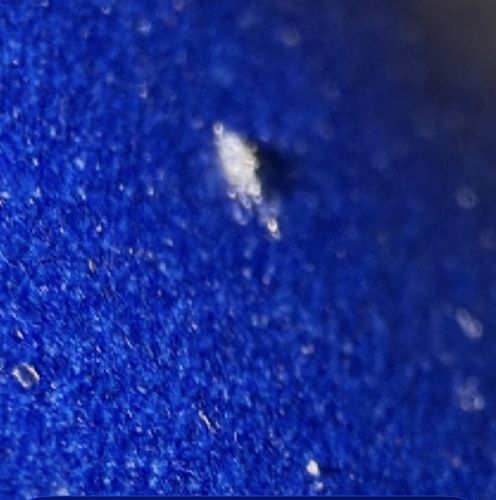
Natural Habitat
Found indoors in household items that trap moisture and organic matter, such as mattresses, pillows, upholstered furniture, and carpets.
Diet & Feeding
Primary diet consists of dead skin cells (dander) shed by humans and pets.
Behavior Patterns
They prefer high-humidity environments (above 50%) and thrive in warm temperatures. They are not parasitic and do not bite; they spend their life cycle within the fibers of household materials.
Risks & Benefits
Risk: Major source of indoor allergens. Their waste products and decaying body parts can trigger asthma, eczema, and allergic rhinitis in sensitive individuals. Benefit: They act as decomposers by consuming organic waste (skin cells) in the environment.
Identified on: 1/10/2026