
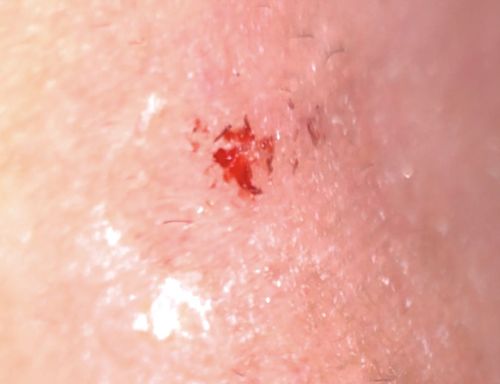
Pubic Louse (Crab Louse)
Pthirus pubis
- Order & Family
- Order: Psocodea (formerly Phthiraptera); Family: Pthiridae
- Size
- 1.1 to 2.0 millimeters (roughly the size of a pinhead)
Natural Habitat
Exclusively found on the bodies of humans, specifically preferring the coarse hair of the pubic region, though they can occasionally be found in eyelashes, eyebrows, beards, armpits, and chest hair.
Diet & Feeding
Hematophagous (blood-eaters); they feed exclusively on human blood by piercing the skin.
Behavior Patterns
They are sedentary compared to other lice, clutching coarse hairs with large, crab-like claws. They lay eggs (nits) on the hair shaft. They do not jump or fly; transmission occurs chiefly through skin-to-skin contact.
Risks & Benefits
Risks: Infestation (pediculosis pubis) causes intense itching and skin irritation. Excessive scratching can lead to secondary bacterial infections. They are not known to transmit disease vectors like body lice do. Benefits: None known to humans or ecosystems, as they are obligate parasites.