
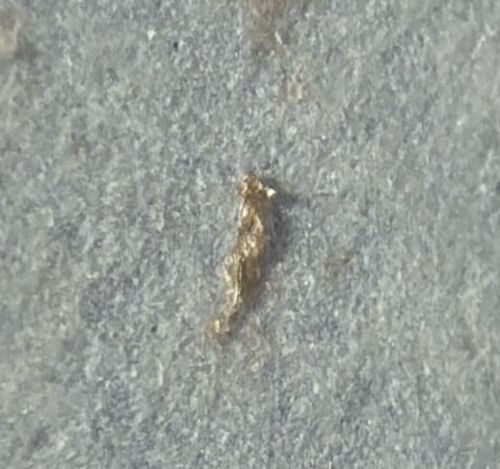
Bagworm (Larva)
Psychidae (family)
- Order & Family
- Order: Lepidoptera, Family: Psychidae
- Size
- 1/4 inch to 2 inches (6 mm to 50 mm) depending on age and species
Natural Habitat
Found on various trees and shrubs, including evergreens (arborvitae, juniper) and deciduous trees, as well as on man-made structures like house siding or fences where they attach themselves.
Diet & Feeding
The caterpillars feed on the leaves and needles of host plants, including more than 100 different species of trees and shrubs.
Behavior Patterns
Larvae construct a spindle-shaped protective case out of silk and bits of foliage from their host plant. They carry this 'sleeping bag' with them as they feed. Females are flightless and remain in the bag for their entire lives, while males emerge as winged moths to find mates.
Risks & Benefits
They are considered a significant landscape pest; heavy infestations can completely defoliate and kill host trees, especially conifers. They do not pose a physical risk to humans but can be a nuisance and cause economic damage to property and gardens.