
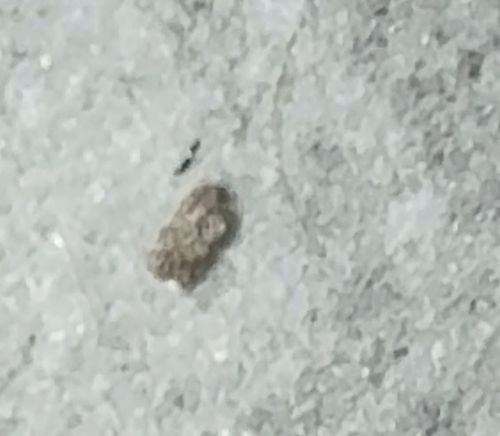
Household Casebearer or Plaster Bagworm
Phereoeca uterella (sometimes referred to as Phereoeca allutella in older texts)
- Order & Family
- Order: Lepidoptera (Butterflies and Moths); Family: Tineidae (Clothes Moths)
- Size
- The larval case (bag) is typically 8–13 mm (0.3–0.5 inches) in length.
Natural Habitat
Typically found inside homes, especially in humid climates (like Florida). They are often seen on walls, baseboards, underneath furniture, in closets, or caught in spiderwebs in corners.
Diet & Feeding
The larvae feed on keratin-rich or fibrous materials including wool, spider webs, old insect cocoon remains, shed human hair, and dead insects.
Behavior Patterns
The larva constructs a distinctive flattened, pumpkin-seed-shaped case out of silk and debris (sand, soil, droppings) which it carries around for protection. The larva stays inside the case, poking its head and legs out of either end to move or feed. It will eventually pupate inside this case.
Risks & Benefits
Risks: Generally harmless to humans (they do not bite or sting) but can be a nuisance pest. In large numbers, they may cause minor damage to woolens or rugs, though they are less destructive than the common clothes moth. Benefits: They act as cleaners of sorts by eating spider webs and dust bunnies, though most homeowners prefer to remove them.