
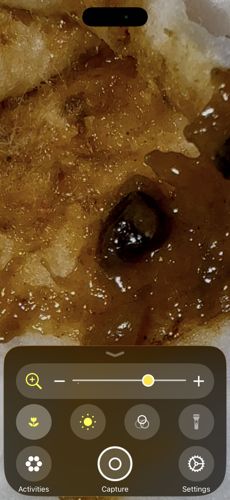
Community identification
Flea
Siphonaptera
- Order & Family
- Order: Siphonaptera; Family: Pulicidae (common family for cat/dog fleas)
- Size
- 1.5 to 3.3 mm in length
Natural Habitat
Fleas are found globally, typically in close proximity to their hosts (mammals and birds). Their larvae are commonly found in carpets, bedding, and soil.
Diet & Feeding
Adults are hematophagous, meaning they feed on the blood of vertebrates. Larvae feed on organic debris and the dried blood (flea dirt) excreted by adults.
Behavior Patterns
Fleas are wingless, agile jumpers that can leap up to 200 times their body length. They are primarily nocturnal and have a holometabolous life cycle (egg, larva, pupa, adult).
Risks & Benefits
Fleas are significant pests and vectors of diseases such as plague, murine typhus, and cat-scratch disease. They also cause allergic dermatitis and transmit tapeworms. There are no notable benefits to humans.