
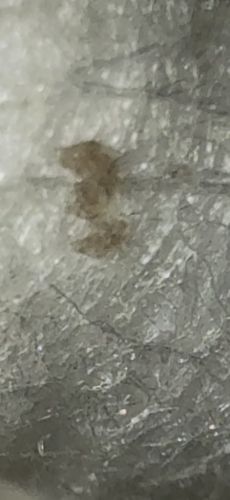
Booklouse (or Psocid)
Liposcelis spp.
- Order & Family
- Order: Psocodea (formerly Psocoptera), Family: Liposcelididae
- Size
- Typically minute, ranging from 1 to 2 mm in length.
Natural Habitat
Found in warm, damp environments with high humidity; often discovered in old books, stored papers, pantries, and wall voids where microscopic mold grows.
Diet & Feeding
They feed on microscopic mold and fungi, as well as starchy materials like bookbinding glue, grain, wallpaper paste, and sometimes dried insect remains.
Behavior Patterns
These are non-flying insects (often wingless) that crawl quickly and are usually solitary, though they can congregate in areas with high moisture and mold. They do not bite or sting.
Risks & Benefits
Risks: They are mainly nuisance pests that can contaminate stored food products and damage items like books or wallpaper by grazing on surface mold. Benefits: They do not transmit diseases to humans and serve as an indicator of excessive moisture or mold issues in a home.