Booklouse
Scientific Name: Liposcelis spp. (commonly Liposcelis bostrychophila)
Order & Family: Order: Psocodea (formerly Psocoptera); Family: Liposcelididae
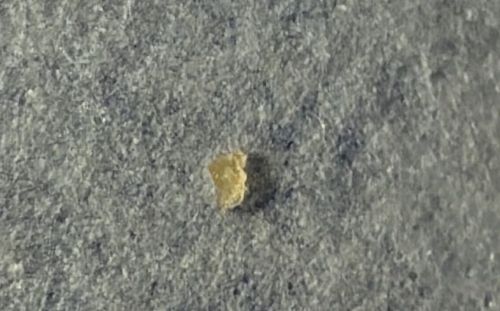
Size: Very small, typically 1 to 2 millimeters in length
Natural Habitat
They thrive in humid, warm environments indoors, commonly found near books, papers, cardboard boxes, damp wall voids, or areas with slight mold growth.
Diet & Feeding
They feed on microscopic fungi and mold that grow on damp materials, as well as starch found in book bindings, wallpaper paste, and grains.
Behavior Patterns
Booklice are flightless and move in quick, jerky spurts. They reproduce rapidly in high-humidity conditions (above 50% relative humidity) and do not bite or sting.
Risks & Benefits
Risks: They are a nuisance pest that can contaminate stored food products and damage books or paper goods if infestations are heavy; some individuals may have allergic reactions. Benefits: They act as indicators of high humidity and potential mold issues in a home.
Identified on: 3/1/2026