No-see-um (Ceratopogonidae) / Gnat
Scientific Name: Family Ceratopogonidae
Order & Family: Order: Diptera; Family: Ceratopogonidae
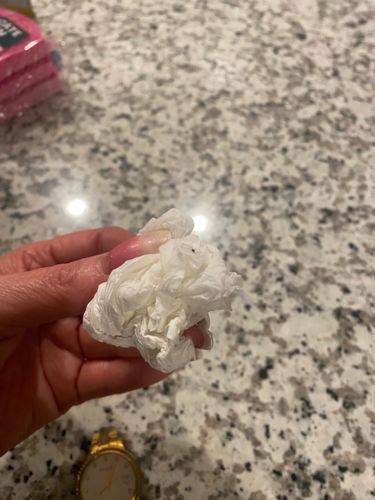
Size: 1 mm to 3 mm in length, often appearing as a tiny black speck to the human eye.
Natural Habitat
Damp environments, including salt marshes, swamps, and areas with moisture-rich soil or decaying organic matter.
Diet & Feeding
Males and females feed on nectar. Females of most species require a blood meal (humans, birds, or other mammals) for egg production; larvae feed on organic debris.
Behavior Patterns
Crepuscular activity (most active at dawn and dusk). They are known for their painful bit despite their tiny size. They often travel in swarms during mating.
Risks & Benefits
Risks: Their bites can cause allergic reactions, intense itching, and red welts. In some regions, they can transmit filarial worms or viruses to livestock. Benefits: They serve as a food source for larger insects, birds, and amphibians.
Identified on: 3/12/2026