
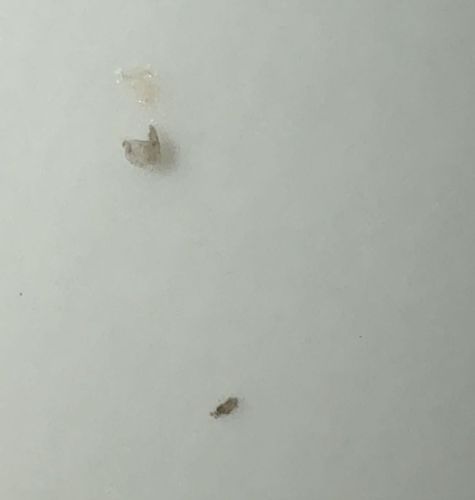
Booklouse (Booklice when plural)
Liposcelis spp. (Common genus, though exact species requires microscopic examination)
- Order & Family
- Order: Psocodea (formerly Psocoptera), Family: Liposcelididae
- Size
- Very small, typically 1 mm to 2 mm in length.
Natural Habitat
Typically found indoors in high-humidity areas, damp basements, windowsills, new construction with damp plaster, and storage boxes. They are often associated with paper products, grains, and dusty areas.
Diet & Feeding
They feed on microscopic mold and fungi that grow on damp materials (like glue in book bindings, wallpaper paste, or damp cardboard), as well as stored grains and starchy materials.
Behavior Patterns
They are wingless and run quickly rather than flying or jumping. They prefer dark, warm, and humid environments. They do not bite humans or animals.
Risks & Benefits
Risks: Generally harmless to humans (they do not bite or spread disease) but can be a nuisance in large numbers and may contaminate stored food items. Their presence usually indicates a humidity or mold problem. Benefits: They serve as biological indicators of mold or excessive dampness in a home.