
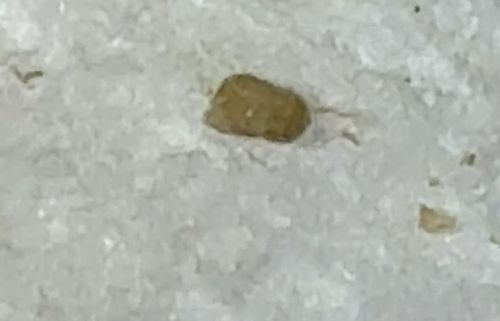
Snow Flea
Hypogastrura nivicola
- Order & Family
- Poduromorpha: Hypogastruridae
- Size
- Very small; approximately 1–2 mm long.
Natural Habitat
Typically found on the surface of snow on warm winter days, often near trees or woodland areas. They live in soil and leaf litter during the rest of the year.
Diet & Feeding
Decomposers; they feed on decaying organic matter, bacteria, fungi, algae, and microscopic plant material.
Behavior Patterns
They are active in winter and are named for their ability to jump using a spring-loaded tail-like structure called a furcula. They often appear in large clusters that look like dirt or pepper sprinkled on the snow. They produce a protein that acts as an antifreeze, allowing them to survive freezing temperatures.
Risks & Benefits
Benefits: They are harmless to humans and pets. They play a beneficial role in the ecosystem by breaking down organic matter and enriching the soil. Risks: None; they do not bite, sting, or damage property.