
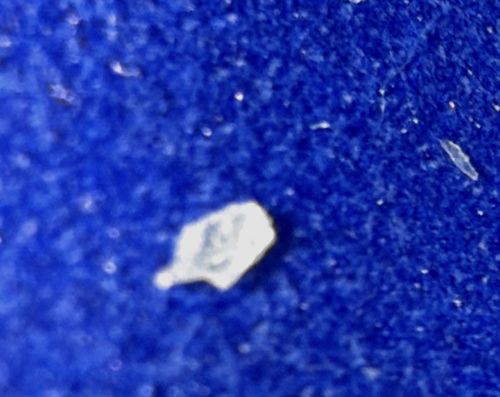
Pherecydes Plaster Bagworm (or Household Casebearer)
Phereocardia striata
- Order & Family
- Order: Lepidoptera, Family: Tineidae (Clothes Moths)
- Size
- Larval case is typically about 8-13 mm (0.3-0.5 inches) long.
Natural Habitat
Typically found indoors in warm, humid climates, attached to walls, under furniture, or on fabrics. They construct protective cases out of debris.
Diet & Feeding
The larvae feed on spider webs, old insect skins, wool, human hair, and other keratin-based fibers found in household dust.
Behavior Patterns
The larva drags its protective case around with it as it moves. The case is flat, watermelon-seed-shaped, and open at both ends, allowing the larva to turn around inside and feed from either end. When ready to pupate, they attach themselves to vertical surfaces.
Risks & Benefits
Generally harmless to humans (they do not bite or sting). However, they can be minor household pests as they feed on natural fibers like wool and silk, potentially damaging clothing or rugs. They are beneficial in that they eat spider webs and dust bunnies, though most consider them a nuisance.