
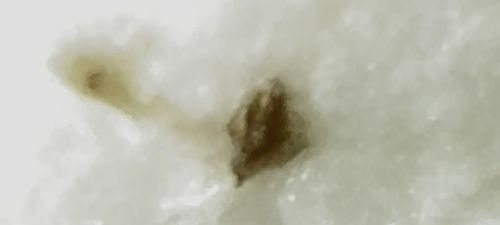
Rice Weevil Larva
Sitophilus oryzae
- Order & Family
- Coleoptera; Curculionidae
- Size
- 2-3 mm in length
Natural Habitat
Stored grain products, specifically inside individual grains of rice, wheat, corn, oats, and barley. They thrive in warm, humid storage conditions.
Diet & Feeding
The larvae feed on the interior starchy endosperm of whole grains. While the adults chew into the grain to lay eggs, the larvae do the bulk of the internal damage.
Behavior Patterns
The female weevil chews a hole into a grain, deposits an egg, and seals it with a gelatinous secretion. The legless, white larva hatches inside, feeds on the interior until it hollows out the grain, pupates within the kernel, and emerges as an adult.
Risks & Benefits
Risks: Major agricultural and household panty pest; they destroy stored grains and can cause extensive food waste. They are not harmful to humans if accidentally ingested (non-toxic and do not bite), but their presence indicates spoilage. Benefits: None in a household context; ecologically, they aid in decomposition of grains in the wild.