
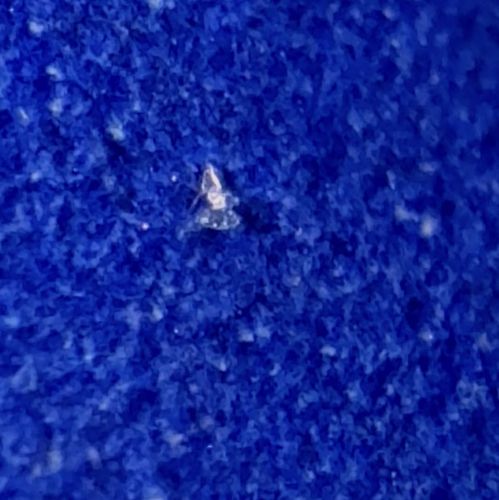
Lace Bug (specifically likely a Sycamore Lace Bug or similar)
Corythucha spp. (e.g., Corythucha ciliata for Sycamore Lace Bug)
- Order & Family
- Hemiptera (Order), Tingidae (Family)
- Size
- Very small; typically 0.12 to 0.25 inches (3 to 6 mm) in length.
Natural Habitat
Typically found on the undersides of leaves of trees and shrubs. Common hosts include sycamore, oak, azalea, and hawthorn. They may accidentally wander indoors or fall onto people.
Diet & Feeding
Sap-suckers. They feed on the underside of leaves by piercing plant cells and sucking out the chlorophyll, leaving stippled white pale spots on the tops of leaves.
Behavior Patterns
They are sedentary feeders on leaf undersides, leaving behind dark, vernish-like spots of excrement. In late summer or fall, adults may fall from trees in large numbers, often landing on outdoor furniture or people.
Risks & Benefits
Risks: While they do not transmit disease and aren't dangerous, they are known to 'bite' humans when they land on bare skin, causing a mild, prickly irritation or itchy red spots. They can be minor aesthetic pests to plants but rarely kill their hosts. Benefits: Limited ecosystem benefits, mostly serving as food for generalist predators.