Body Louse
Scientific Name: Pediculus humanus humanus
Order & Family: Phthiraptera; Pediculidae
Size: 2.3 to 3.6 mm in length (roughly the size of a sesame seed).
Natural Habitat
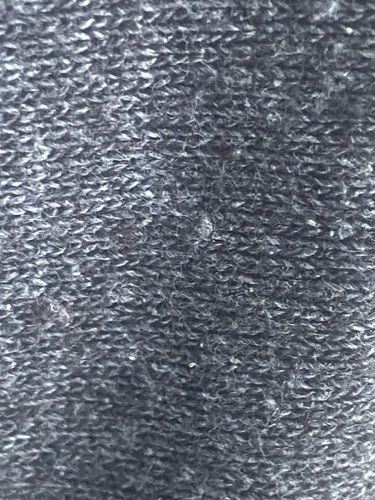
Found on the body and in clothing/bedding of humans, specifically in the seams and folds of fabric.
Diet & Feeding
Strictly hematophagous; they feed exclusively on human blood several times a day.
Behavior Patterns
They live and lay eggs (nits) in the seams of clothing, only moving to the human skin to feed. They are typically associated with crowded living conditions and poor hygiene.
Risks & Benefits
Risks include intense itching, skin rash, and potential transmission of serious bacterial diseases such as louse-borne typhus, trench fever, and epidemic relapsing fever. There are no known benefits.
Identified on: 1/12/2026