
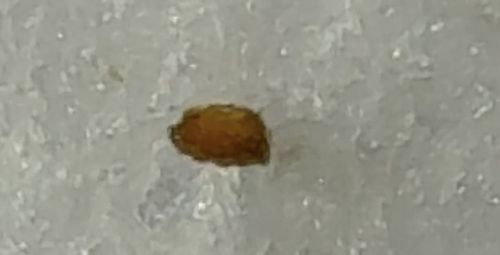
Soil Mite (Oribatid Mite)
Oribatida (Suborder)
- Order & Family
- Order: Sarcoptiformes; Family: Varies widely (e.g., Oribatellidae, Galumnidae)
- Size
- Typically very small, roughly 0.2 to 1.5 millimeters in length (visible to the naked eye as moving specks).
Natural Habitat
Found primarily in soil, leaf litter, moss, and compost heaps. They are often noticed indoors near potted plants or areas with high humidity or organic debris.
Diet & Feeding
Mostly detritivores and fungivores; they feed on decaying organic matter, bacteria, yeast, algae, and fungi found in soil.
Behavior Patterns
Slow-moving scavengers that play a crucial role in decomposition. They do not bite or fly. They are often seen wandering on walls or window sills near potted plants when their populations become large.
Risks & Benefits
Benefits: Extremely beneficial for soil health as decomposers that break down organic material and cycle nutrients. Risks: Harmless to humans and pets (they do not bite or transmit disease). Generally considered a nuisance pest when found indoors in large numbers.