
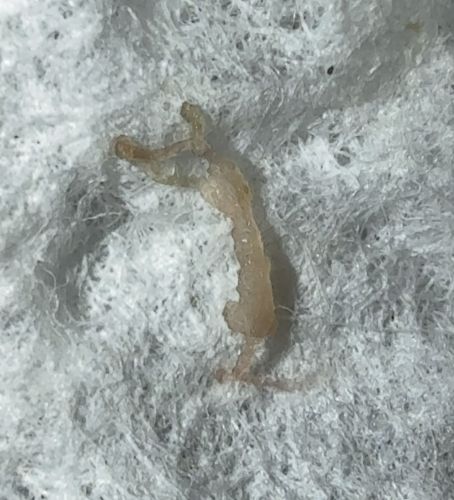
Pseudoscorpion (or False Scorpion)
Pseudoscorpiones (Order)
- Order & Family
- Order: Pseudoscorpiones; various families (e.g., Cheliferidae)
- Size
- Typically very small, ranging from 2 to 8 mm in length.
Natural Habitat
Often found in humid environments like leaf litter, under bark, soil, moss, or in homes (bookcases, bathrooms, warm damp corners). They are common hitchhikers on larger insects.
Diet & Feeding
Carnivorous predators that feed on smaller arthropods like moth larvae, carpet beetle larvae, booklice, ants, mites, and small flies.
Behavior Patterns
They are solitary hunters that use their venom-filled pincers to capture prey. They often exhibit 'phoresy,' a behavior where they latch onto larger flying insects to hitch a ride to new locations. They can spin silk from glands in their jaws to make cocoon-like nests for molting or overwintering.
Risks & Benefits
Benefits: They are considered beneficial to humans because they prey on household pests like clothes moths, carpet beetles, and booklice. Risks: Harmless to humans and pets; they cannot bite or sting people effectively due to their small size.