
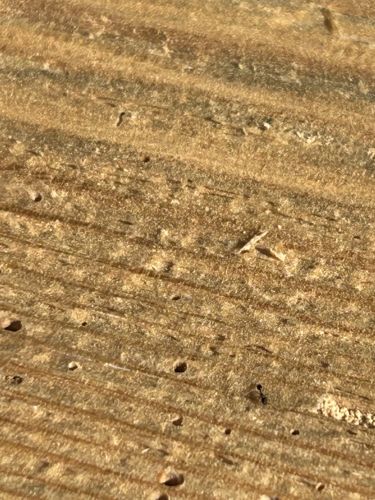
Community identification
Black Carpenter Ant
Camponotus pennsylvanicus
- Order & Family
- Order: Hymenoptera; Family: Formicidae
- Size
- 3.5 mm to 13 mm (workers), up to 25 mm (queen)
Natural Habitat
Nests in damp or decaying wood, including tree stumps, logs, and structural timbers in homes.
Diet & Feeding
Omnivorous; they eat honeydew, plant juices, and other insects. They do not eat wood, but excavate it to create nests.
Behavior Patterns
Active primarily at night; they create galleries in wood and leave behind 'frass' (sawdust-like debris). They have a complex social structure with queens, workers, and winged reproductive ants.
Risks & Benefits
Risks: Can cause significant structural damage to homes by hollowing out wood. Benefits: In the ecosystem, they aid in the decomposition of dead trees and serve as a food source for other animals.