
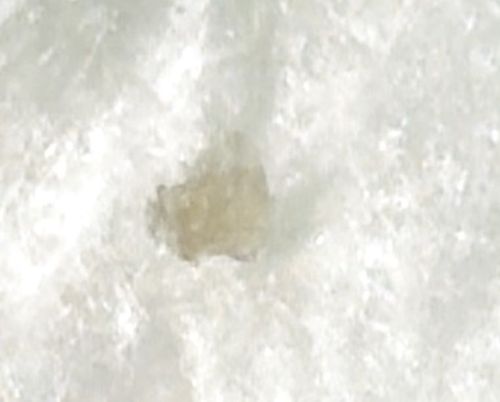
Flour Mite (also known as Grain Mite)
Acarus siro
- Order & Family
- Order: Sarcoptiformes / Family: Acaridae
- Size
- Microscopic to barely visible; approximately 0.3 mm to 0.6 mm in length.
Natural Habitat
Found in stored food products such as flour, grain, dried fruits, cheese, animal feed, and other dry vegetable materials. They thrive in moderate to high humidity environments.
Diet & Feeding
They feed on the germ of damaged grains, fungal spores, flour, cheese, and other stored food products. Mold growth in stored food often encourages mite infestations.
Behavior Patterns
Flour mites reproduce rapidly under favorable conditions (high humidity) and can form a moving 'dust' layer on infected products. They have a specialized 'hypopus' stage where they become resistant to desiccation and can hitch rides on other insects to disperse.
Risks & Benefits
Risks: They contaminate food, making it unpalatable (giving it a 'minty' odor) and causing spoilage. Ingestion or handling can cause allergic reactions in humans (known as 'grocer's itch' or oral mite anaphylaxis). Benefits: Generally considered pests, though they play a role in decomposition in natural environments.