
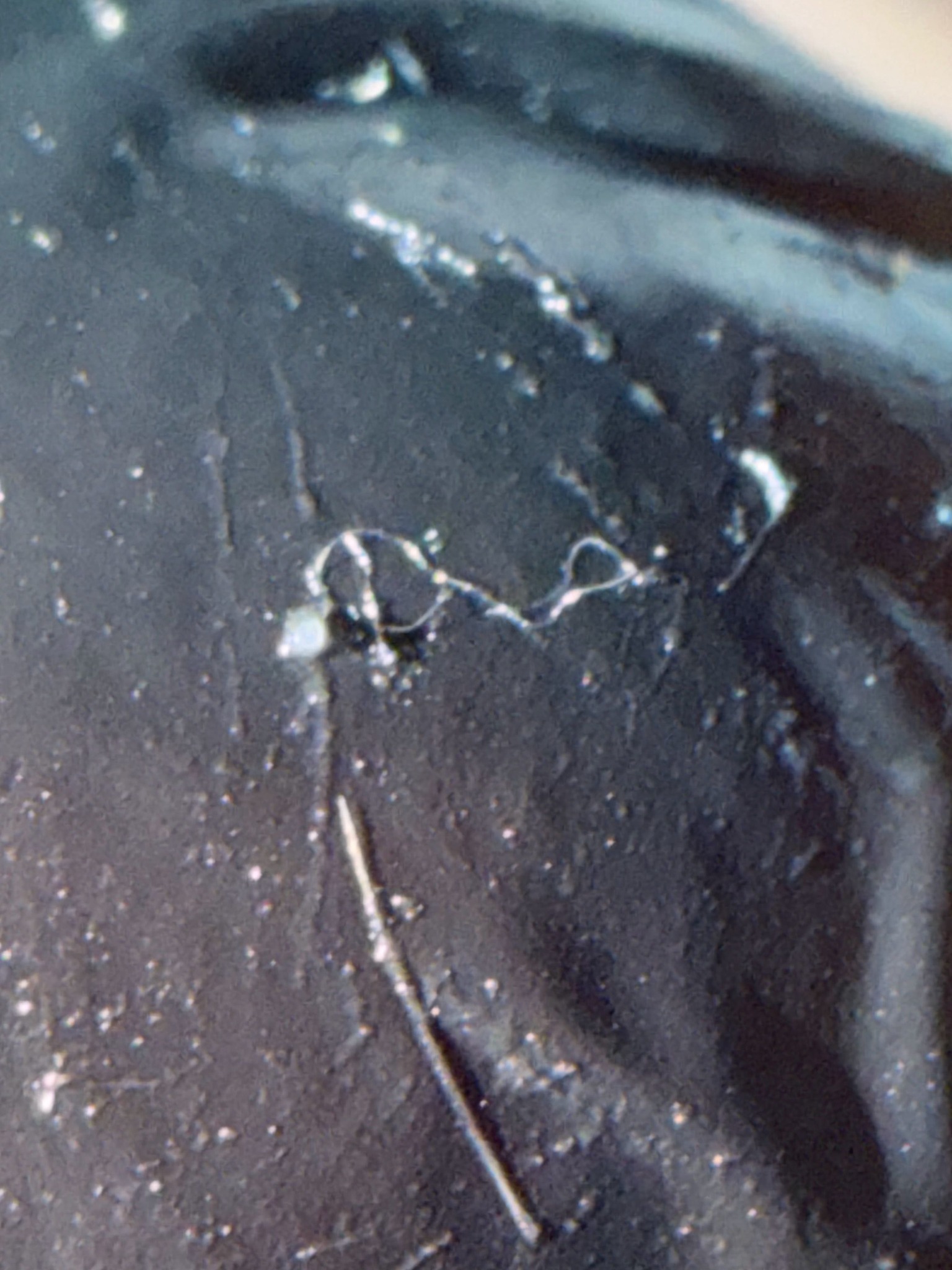
Community identification
Pinworm
Enterobius vermicularis
- Order & Family
- Order: Rhabditida, Family: Oxyuridae
- Size
- Females: 8 to 13 mm; Males: 2 to 5 mm
Natural Habitat
Human large intestine and anal area; eggs can survive on clothing, bedding, and household surfaces
Diet & Feeding
Gastrointestinal contents and cellular debris within the host intestine
Behavior Patterns
Adult females migrate to the anus at night to deposit eggs in the perianal skin folds, causing itching. Life cycle includes ingestion of eggs, hatching in the small intestine, and maturation in the colon.
Risks & Benefits
Risk: Causes Enterobiasis, characterized by intense anal itching and potential secondary bacterial infections from scratching. No ecological benefits.