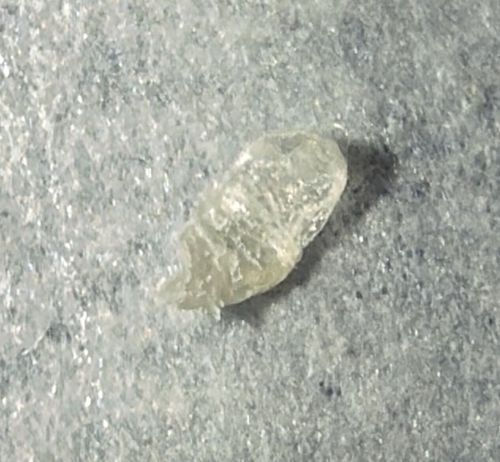
Flea tapeworm proglottid
Scientific Name: Dipylidium caninum
Order & Family: Cyclophyllidea, Dipylidiidae
Size: Proglottids are typically 3-5 mm long and resemble grains of rice
Natural Habitat
Intestines of dogs, cats, and sometimes humans (especially children) as adults; fleas or lice as intermediate hosts
Diet & Feeding
Absorbs nutrients directly from the host's intestinal tract
Behavior Patterns
Adult tapeworms release egg-filled proglottids into host feces. Intermediate hosts (flea larvae) ingest eggs. Definitive hosts ingest infected fleas during grooming.
Risks & Benefits
Causes dipylidiasis in pets and occasionally humans. Usually asymptomatic or mild (itching, weight loss). No significant ecological benefits.
Identified on: 3/9/2026