Mold Mite (also known as Cheese Mite or Flour Mite)
Scientific Name: Tyrophagus putrescentiae
Order & Family: Order: Sarcoptiformes, Family: Acaridae
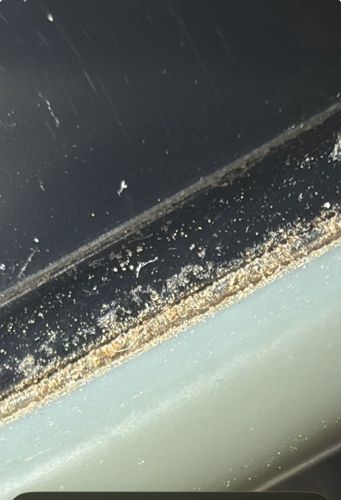
Size: Extremely small, microscopic to barely visible; approximately 0.3mm to 0.7mm in length. They appear as shifting, moving dust.
Natural Habitat
Warm, humid environments with a food source. Commonly found on stored food products (cheese, grain, flour, dried fruit), in damp cupboards, old furniture, or areas with high humidity where mold grows.
Diet & Feeding
They feed primarily on fungi (molds) growing on damp surfaces and on protein-rich and fat-rich stored foods like cheese, ham, flour, grain, and pet food.
Behavior Patterns
These mites proliferate rapidly in high humidity (above 60%) and warm temperatures. They are often noticed when a surface appears to be covered in 'living dust' as colonies move en masse. They have a short lifecycle, allowing populations to explode quickly.
Risks & Benefits
Risks: Can cause allergic reactions (dermatitis or 'grocer's itch') and respiratory issues in sensitive individuals. They contaminate and spoil stored food products. Benefits: They play a role in decomposition in nature but are generally considered pests in domestic settings.
Identified on: 2/16/2026