
Community identification
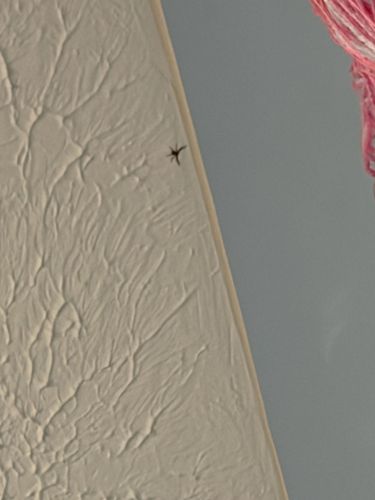
Plume Moth
Family Pterophoridae (genus/species uncertain from image)
- Order & Family
- Order: Lepidoptera, Family: Pterophoridae
- Size
- Wingspan typically ranges from 10 mm to 35 mm depending on the exact species.
Natural Habitat
Typically found in gardens, meadows, and areas with abundant vegetation; often attracted to artificial lights at night and found on walls or windows.
Diet & Feeding
Adults primarily feed on flower nectar. Larvae (caterpillars) are host-specific, feeding on the leaves, stems, or flowers of various plants.
Behavior Patterns
Notable for their unique T-shaped resting posture where wings are rolled up and held perpendicular to the body. Most species are nocturnal or crepuscular.
Risks & Benefits
Harmless to humans; no sting or bite. Ecological benefits include plant pollination and serving as a food source for birds and spiders. Some species' larvae are considered minor garden pests.