
Community identification
Bed Bug (Casing/Exoskeleton)
Cimex lectularius
- Order & Family
- Order: Hemiptera, Family: Cimicidae
- Size
- 1.5 mm to 4.5 mm (for the molted skins/casings)
Natural Habitat
Typically found indoors in temperate climates, specifically in sleeping areas such as mattresses, box springs, bed frames, and furniture crevices.
Diet & Feeding
Hematophagous (feeds exclusively on blood), primarily human blood, usually at night.
Behavior Patterns
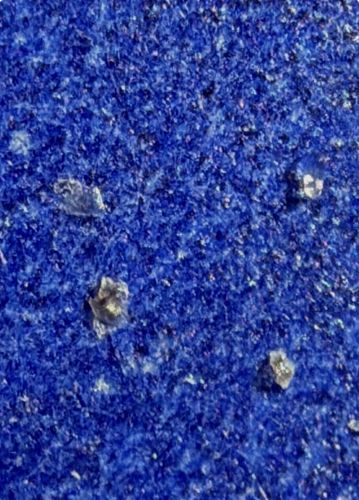
The objects in the image appear to be molted exoskeletons (shed skins) rather than live bugs. Bed bugs pass through five nymphal stages, shedding their skin at each stage to grow. They are cryptic, hiding in tight cracks during the day and emerging at night to feed.
Risks & Benefits
Risks: Bed bugs cause itchy bites, allergic reactions, anxiety, and insomnia. They are a significant nuisance pest but are not known vectors of disease. Benefits: No known ecosystem benefits in human habitats.