
Community identification
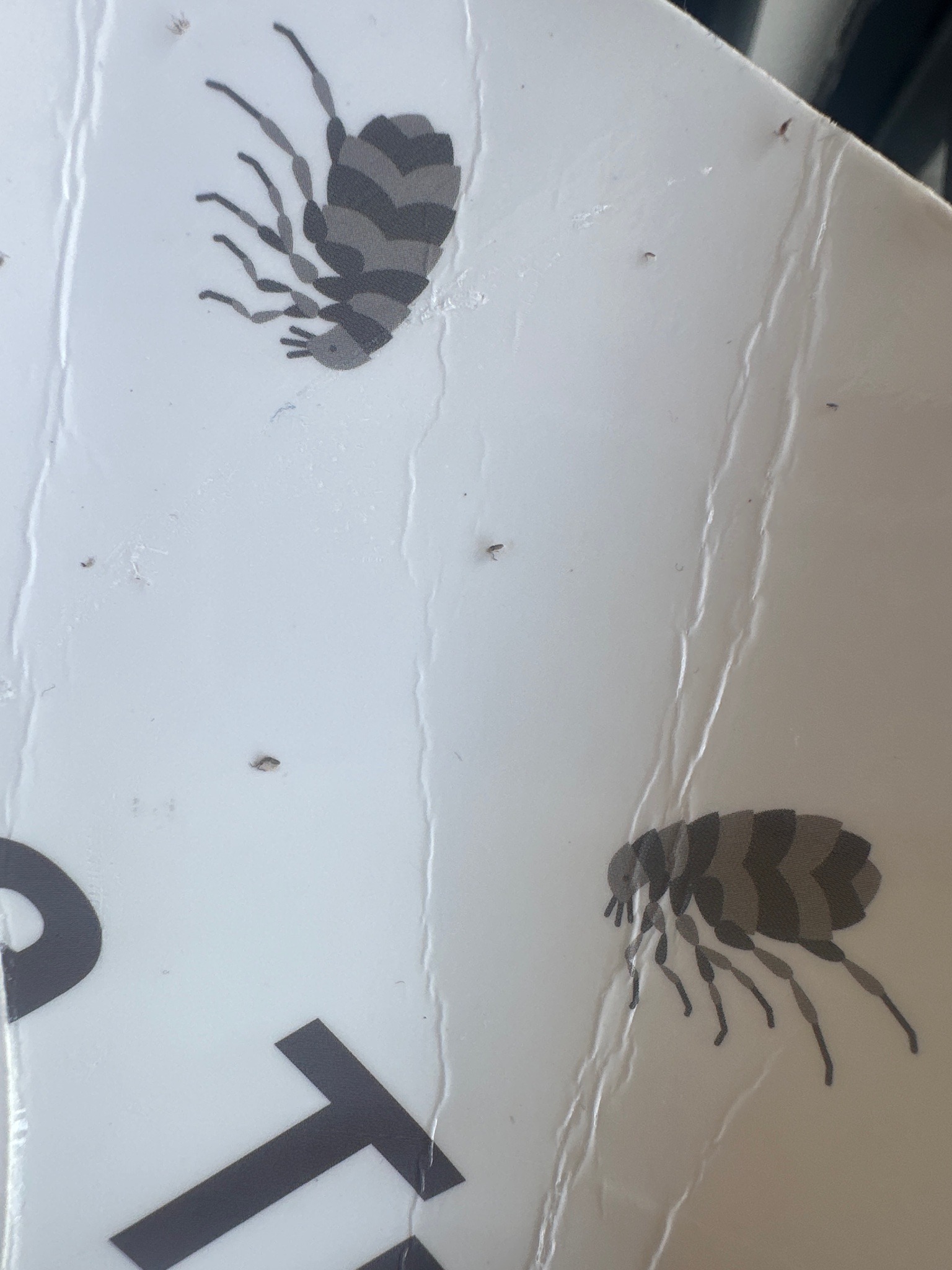
Cat Flea
Ctenocephalides felis
- Order & Family
- Order Siphonaptera, Family Pulicidae
- Size
- 1.5 to 3.3 mm in length
Natural Habitat
Found globally; typically lives on host animals like cats, dogs, and wildlife, or in nesting/sleeping areas including carpets and furniture
Diet & Feeding
Obligate hematophages; adults feed exclusively on the blood of mammals, while larvae feed on organic debris and 'flea dirt' (adult fecal matter)
Behavior Patterns
Wingless but capable of jumping long distances; they undergo complete metamorphosis (egg, larva, pupa, adult). Adults spend most of their lives on the host.
Risks & Benefits
Risks include skin irritation and dermatitis in pets and humans. They can transmit tapeworms, murine typhus, and bartonellosis (cat scratch disease). They have no significant ecosystem benefits.