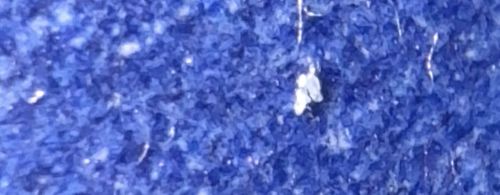
Bird Mite (Likely Tropical Fowl Mite or Northern Fowl Mite)
Scientific Name: Ornithonyssus spp. (e.g., Ornithonyssus bursa or Ornithonyssus sylviarum)
Order & Family: Order: Mesostigmata; Family: Macronyssidae
Size: Minute; typically 0.5 mm to 1.0 mm in length (barely visible to the naked eye).
Natural Habitat
Typically found in bird nests (pigeons, starlings, sparrows, chickens) located in roof cavities, eaves, or window ledges. They enter homes when their bird hosts leave the nest.
Diet & Feeding
They represent parasitic hematophages, meaning they feed primarily on the blood of birds. In the absence of birds, they may attempt to bite humans or other mammals but cannot reproduce on human blood.
Behavior Patterns
These mites are extremely active and mobile. When the young birds leave the nest or die, the mites migrate in large numbers looking for a new host, often crawling through vents, windows, or cracks into living spaces. They are most active during warm, humid weather.
Risks & Benefits
Risks: They cause 'gamasoidosis,' a skin irritation from bites resulting in intense itching, red papules, and discomfort. While they are a nuisance and cause psychological distress (formication), they are not generally known to transmit diseases to humans. Benefits: None in a domestic setting.
Identified on: 2/23/2026