
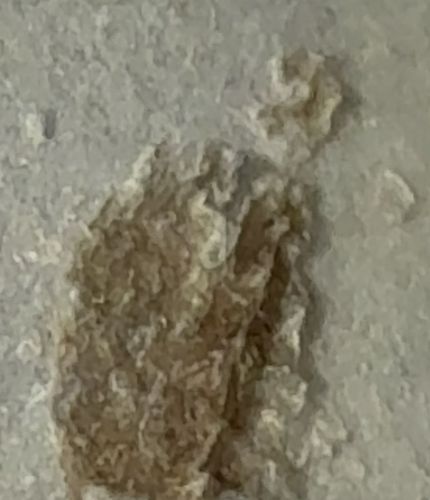
Household Casebearer or Plaster Bagworm
Phereoeca uterella (or species in the genus Phereoeca, such as P. allutella)
- Order & Family
- Order: Lepidoptera, Family: Tineidae
- Size
- Larval case is typically about 8-13 mm (0.3 to 0.5 inches) long and flattened, resembling a pumpkin seed.
Natural Habitat
Typically found indoors in humidity-prone areas like garages, bathrooms, basements, and closets, or outdoors on stucco walls and under rocks depending on the climate. They are common in humid, tropical, and subtropical regions.
Diet & Feeding
They feed on wool, hair, lint, spider webs, and insect debris. They generally graze on detritus and organic fibers commonly found in household dust.
Behavior Patterns
The larva constructs a distinctive flattened, camouflaged case out of silk and debris (sand, dust, lint) which it carries around for protection. It has openings at both ends so the larva can move in either direction without turning the case. When disturbed, it retracts completely inside.
Risks & Benefits
They do not bite or sting humans and pose no health threat, but they can be a minor nuisance pest. Since they feed on fibers like wool, they can occasionally damage clothing or rugs, though they usually prefer accumulated spider webs and lint.