
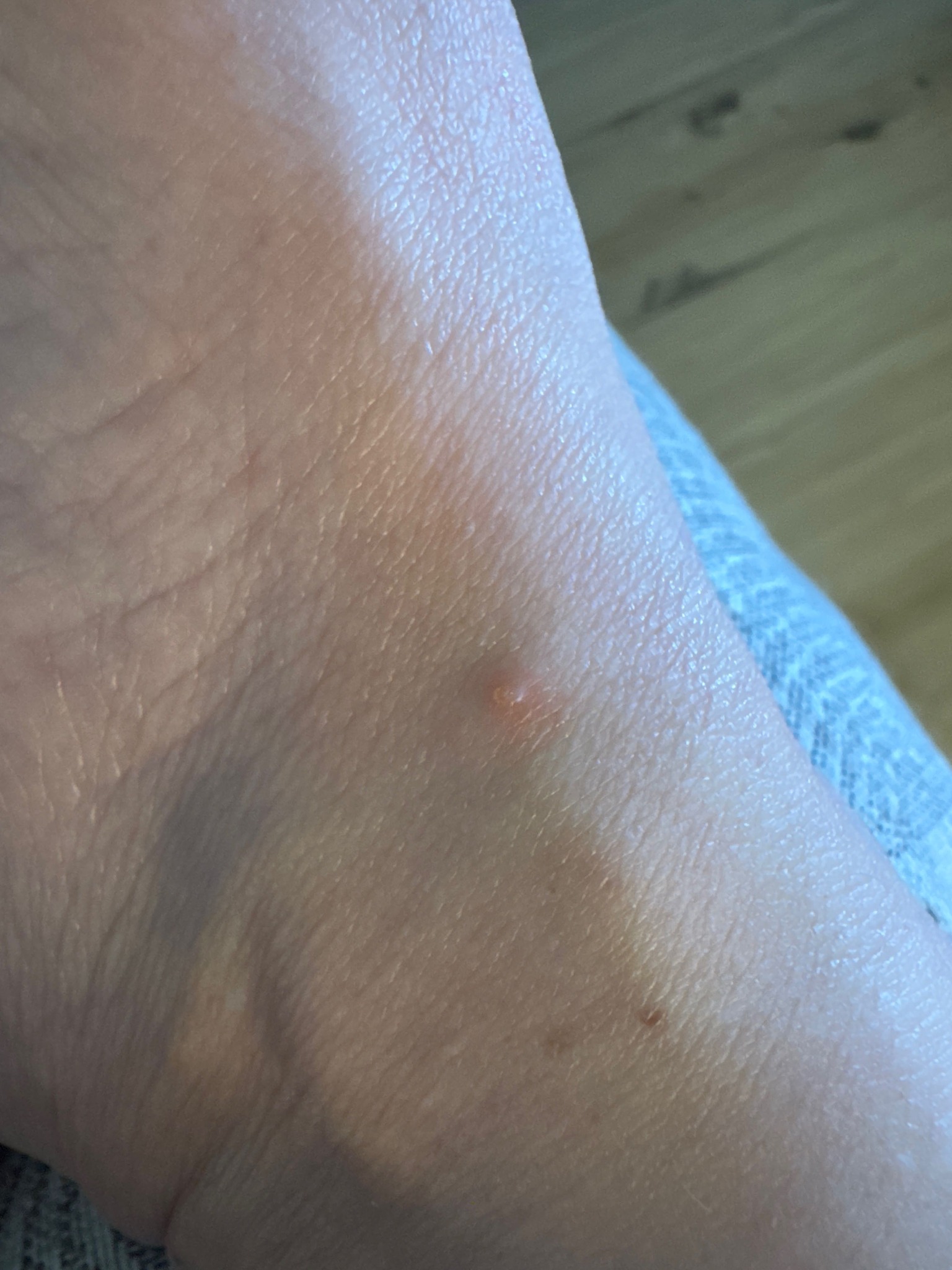
Community identification
Chigger
Trombicula species
- Order & Family
- Order: Trombidiformes; Family: Trombiculidae
- Size
- 0.15 to 0.3 mm (larval stage, typically invisible to the naked eye; adults are larger and often red).
Natural Habitat
Tall grass, weeds, berry patches, and woodland edges with moisture.
Diet & Feeding
Larvae feed on dissolved skin cells can tissue fluid of hosts (humans, rodents, birds). Adults eat insect eggs and small arthropods.
Behavior Patterns
Larvae wait on vegetation and crawl onto passing hosts, attaching to areas where clothing is tight. They inject digestive enzymes that liquefy skin cells. They do not burrow into the skin nor suck blood.
Risks & Benefits
Risks: Causes intense itching and red welts (trombiculosis) which can lead to secondary infections from scratching. In some regions, they can transmit scrub typhus. Benefits: Adults play a role in soil ecology and controlling other pest populations.