
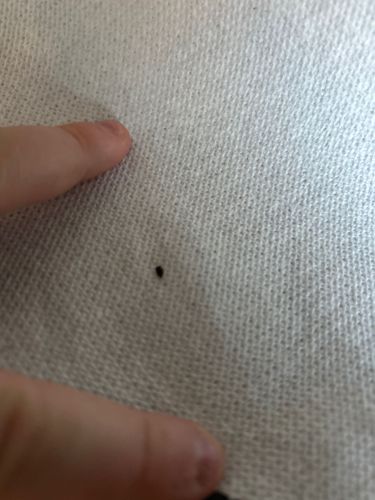
Community identification
Flea
Siphonaptera (order)
- Order & Family
- Order: Siphonaptera; Families include Pulicidae (e.g., Cat Flea, Dog Flea)
- Size
- 1.5 mm to 3.3 mm (roughly 1/16 to 1/8 inch)
Natural Habitat
Found globally; typically lives on or near warm-blooded hosts (mammals and birds), often in carpets, bedding, and floor cracks when not feeding.
Diet & Feeding
Adults are hematophagous (blood-feeders), consuming blood from hosts. Larvae eat organic debris, including adult flea feces ('flea dirt').
Behavior Patterns
Fleas are wingless, jumping insects that use powerful hind legs to leap onto hosts. They are photophobic (hide from light) and have flattened bodies for moving through fur or feathers.
Risks & Benefits
Risks: Causes severe itching, dermatitis, and can transmit diseases like plague, murine typhus, and tapeworms. Benefits: No direct benefits to humans; they serve as a food source for some predatory insects or spiders in the ecosystem.