
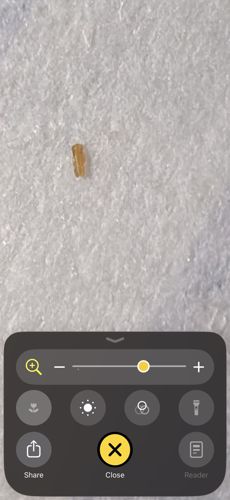
Flea
Siphonaptera (Order)
- Order & Family
- Order: Siphonaptera, Family: Pulicidae (common family)
- Size
- 1.5 to 3.3 millimeters (approximately 1/16 to 1/8 inch)
Natural Habitat
Found globally; specifically in homes, carpets, bedding, and on the bodies of warm-blooded hosts like cats, dogs, and humans.
Diet & Feeding
Obligate hematophages; adults feed exclusively on the blood of mammals and birds. Larvae feed on organic debris and 'flea dirt' (adult fecal matter).
Behavior Patterns
They are wingless, laterally compressed insects that move by jumping long distances using powerful hind legs. They undergo complete metamorphosis (egg, larva, pupa, adult) and can survive for long periods in the pupal stage until a host is detected.
Risks & Benefits
Risks include skin irritation, allergic dermatitis, and transmission of diseases such as murine typhus and tapeworms. Historically, they were vectors for the bubonic plague. They offer no significant ecological benefits in human environments and are considered major pests.