Booklice (or Psocids)
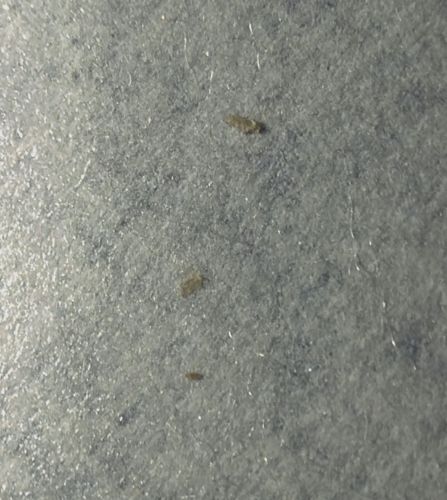
Scientific Name: Liposcelis spp. (commonly Liposcelis bostrychophila)
Order & Family: Order: Psocodea (formerly Psocoptera), Family: Liposcelididae
Size: Very small, typically 1 to 2 mm in length.
Natural Habitat
They thrive in high-humidity indoor environments such as bathrooms, kitchens, basements, and around window sills. They are often found in books, cardboard boxes, starchy glues, pantries (in grains/flour), or on moldy surfaces.
Diet & Feeding
They feed on microscopic mold and fungi, as well as starch-based materials like grain, wallpaper glue, and book bindings.
Behavior Patterns
Booklice are flightless and move in a quick, jerky, running motion. They do not bite or sting. They tend to congregate where moisture allows mold to grow. They reproduce rapidly in warm, damp conditions.
Risks & Benefits
Risks: They are generally considered nuisance pests rather than a direct health threat. However, they can contaminate food stores (grains, cereals) and their presence usually indicates an underlying moisture or mold issue in the home. They are known allergens for some sensitive individuals. Benefits: None in a domestic setting, though they assist in decomposing organic matter in nature.
Identified on: 3/2/2026