Greenhouse Millipede
Scientific Name: Oxidus gracilis
Order & Family: Order: Polydesmida, Family: Paradoxosomatidae
Size: 18 to 23 mm (0.7 to 0.9 inches) in length
Natural Habitat
Typically found in moist, dark environments rich in decaying organic matter such as leaf litter, mulch, under stones, or in compost. They frequently migrate into homes during extreme wet or dry weather.
Diet & Feeding
Detritivores that primarily feed on decaying plant material, dead leaves, and rotting wood, playing a crucial role in decomposition.
Behavior Patterns
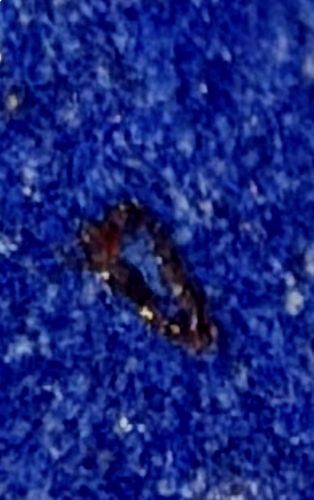
They are nocturnal and slow-moving. A key identification trait (visible in the image) is their defensive behavior of curling into a tight coil or 'C' shape when threatened or dead to protect their softer underbelly.
Risks & Benefits
Benefits: They are beneficial decomposers that help recycle nutrients back into the soil. Risks: Generally harmless to humans and pets; they do not bite or sting, though they can secrete a mild, foul-smelling fluid that may irritate sensitive skin or eyes.
Identified on: 3/6/2026