
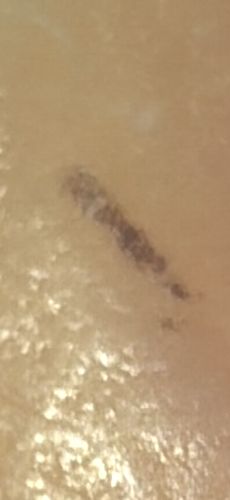
Plaster Bagworm (Larva/Case)
Phereoeca uterella
- Order & Family
- Order: Lepidoptera, Family: Tineidae
- Size
- Case is typically 6 mm to 13 mm (0.25 to 0.5 inches) long
Natural Habitat
Typically found indoors in high-humidity areas, often seen in closets, bathrooms, on walls, or corners of rooms. They construct a protective case from silk and debris like soil, sand, and paint fragments.
Diet & Feeding
They feed on spider webs, old silk, wool, and natural protein fibers like hair and dead insect parts.
Behavior Patterns
The larva carries a flat, pumpkin-seed-shaped case around with it for protection. It moves by dragging the case along walls and floors. The case has openings at both ends so the larva can turn around inside to feed or move in the opposite direction.
Risks & Benefits
Generally harmless to humans and pets, as they do not bite or sting. They can be a minor nuisance pest indoors but are usually not found in numbers large enough to cause significant fabric damage like clothes moths.