
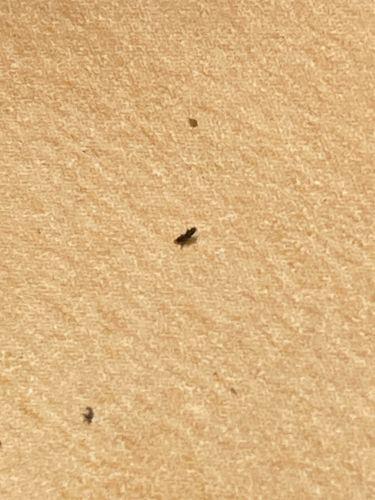
Community identification
Flea
Siphonaptera
- Order & Family
- Order: Siphonaptera; Family: Pulicidae
- Size
- 1.5 mm to 3.3 mm long
Natural Habitat
Found on various warm-blooded hosts (mammals and birds) and in their sleeping areas, carpets, and cracks in floors.
Diet & Feeding
Hematophagous; adults feed exclusively on the blood of mammals and birds. Larvae feed on organic debris and adult flea feces ('flea dirt').
Behavior Patterns
Fleas are wingless insects that use powerful hind legs for jumping long distances. They undergo complete metamorphosis (egg, larva, pupa, adult) and can remain dormant in the pupal stage for months until triggered by vibration or heat from a host.
Risks & Benefits
Risks: Can transmit diseases like plague and murine typhus, serve as intermediate hosts for tapeworms, and cause allergic dermatitis and anemia in pets. Benefits: No significant benefits to humans or the ecosystem.