
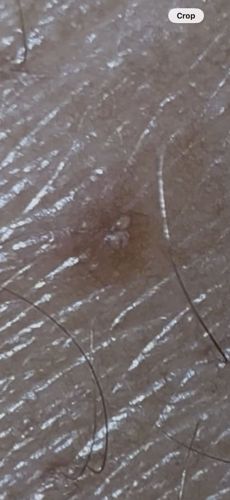
Larval Tick (often called 'Seed Tick')
Ixodida (Order) - specific species vary (e.g., Amblyomma americanum, Ixodes scapularis)
- Order & Family
- Order: Ixodida; Family: Ixodidae (Hard Ticks) or Argasidae (Soft Ticks)
- Size
- Extremely small in larval stage, often less than 1mm (poppy seed size or smaller)
Natural Habitat
Tall grasses, brush, leaf litter, and wooded areas where they wait for hosts to pass by
Diet & Feeding
Hematophagous (feeds exclusively on the blood of mammals, birds, reptiles, and amphibians)
Behavior Patterns
Larvae hatch from eggs in large clusters (sometimes thousands). They 'quest' by climbing vegetation and waiting to latch onto a host. Once attached, they embed their mouthparts into the skin to feed for several days.
Risks & Benefits
Significant risk as disease vectors. Even in the larval stage, some species can transmit pathogens causing Lyme disease, Rocky Mountain spotted fever, or ehrlichiosis, though larvae are generally less likely to be infected than nymphs or adults. Bites can cause itching and allergic reactions.