
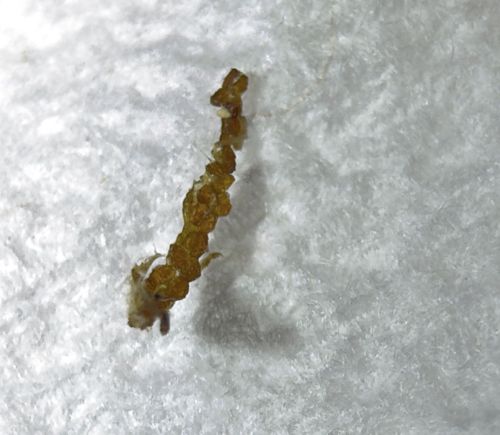
Masked Hunter Nymph (Camoufleur Bug)
Reduvius personatus
- Order & Family
- Order: Hemiptera (True Bugs), Family: Reduviidae (Assassin Bugs)
- Size
- Nymphs vary by instar but are typically 4mm to 13mm (0.15 - 0.5 inches)
Natural Habitat
Found in undisturbed, dusty corners of homes (closets, attics, beneath furniture) and outdoors in hollow trees, under loose bark, or in abandoned burrows.
Diet & Feeding
Strictly predatory and carnivorous. They feed on other household pests such as bed bugs, silverfish, woodlice, earwigs, and spiders.
Behavior Patterns
The nymph exhibits a unique camouflaging behavior where it covers itself sticky secretions that attract dust, lint, and sand particles. This 'mask' helps them ambush prey and blend into their environment. They are active hunters rather than web-builders.
Risks & Benefits
Benefits: A beneficial insect that acts as natural pest control against nuisance bugs like bed bugs. Risks: While they do not seek out humans, they can inflict a painful bite if handled or crushed. It is not venomous enough to be medically significant, but feels similar to a bee sting.