
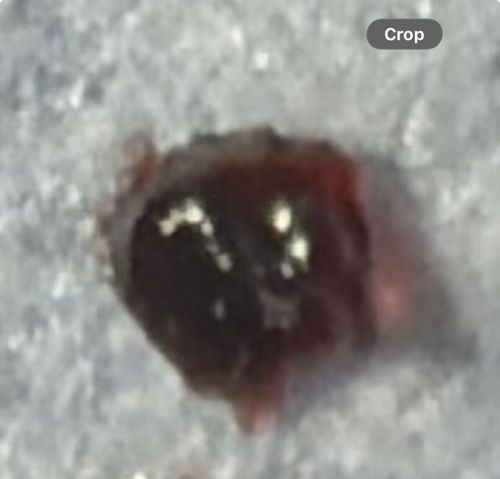
Tick
Ixodida (Order)
- Order & Family
- Order: Ixodida; Families: Ixodidae (Hard Ticks) or Argasidae (Soft Ticks)
- Size
- 1 mm to 5 mm (unfed); up to 15+ mm when fully engorged
Natural Habitat
Tall grass, woodlands, low-lying shrubs, leaf litter, and areas frequented by wildlife or domestic animals. They wait on vegetation to attach to passing hosts.
Diet & Feeding
Hematophagous (blood-feeding); they require blood meals from mammals, birds, reptiles, or amphibians to survive and progress through life stages.
Behavior Patterns
Ticks undergo four life stages: egg, larva, nymph, and adult. They exhibit 'questing' behavior where they hold onto leaves or grass with their third and fourth pairs of legs while extending their first pair to grab onto a passing host. They are active primarily in warmer months but some species seek hosts year-round.
Risks & Benefits
Risks: Ticks are major vectors for diseases such as Lyme disease, Rocky Mountain spotted fever, and Babesiosis. Their bites can cause skin irritation or allergic reactions in humans and pets. Benefits: As part of the food web, they serve as a food source for some birds, reptiles, and amphibians, though they are primarily viewed as pests.